
Held to a Higher Standard.
PUR Biologics is advancing the future of regenerative medicine through innovative bone graft technologies and biologic solutions for spine and orthopedic surgery.

Solutions tailored to every patient.

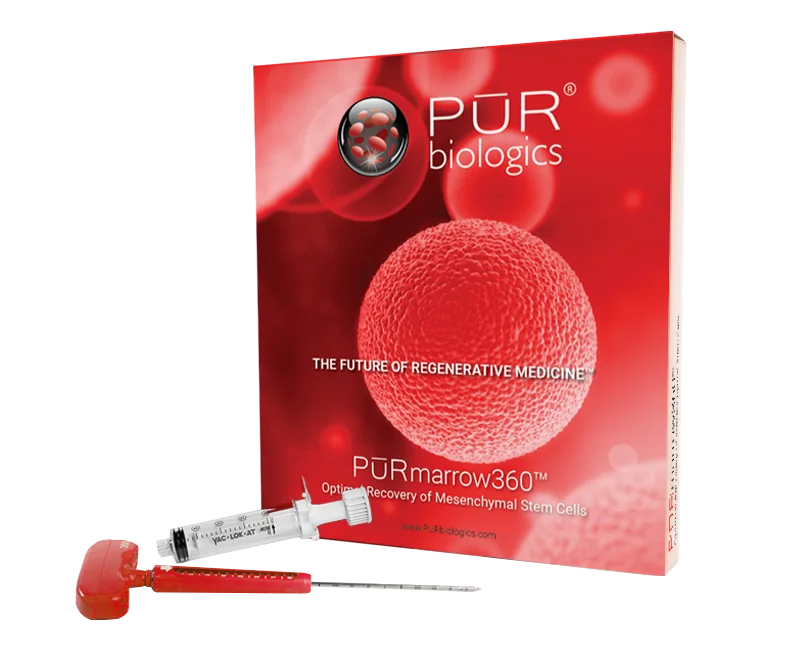

The future of biologics starts with the patient.
Bone healing has evolved. The solutions designed to support it must evolve, too. PUR is advancing the future of orthopedic and spinal biologics with a patient-focused product portfolio which brings science, innovation, and emerging technologies together to expand the possibilities of bone regeneration. Through engineered bioactive surfaces, carrier-free bone solutions, and approaches that leverage the patient’s own cells, we’re building an evolving platform designed to meet diverse clinical needs. Our direction is clear: challenge conventional approaches, push the boundaries of biologic innovation, and develop better solutions for the patients and surgeons who depend on them.
PURactiveOrb™
PURactiveOrb redefines synthetic biomaterials through proprietary orbital design, combining an innovative orbital technology with a high bioglass-to-carrier ratio to maximize surface area for cellular activity and bone formation. Designed for handling and bioactivity, PURactiveOrb promotes ionic bonding and the formation of a hydroxycarbonate apatite (HCA) surface layer to support bone integration.
† Preclinical data. Animal results do not necessarily predict clinical performance.
PURbonedough™
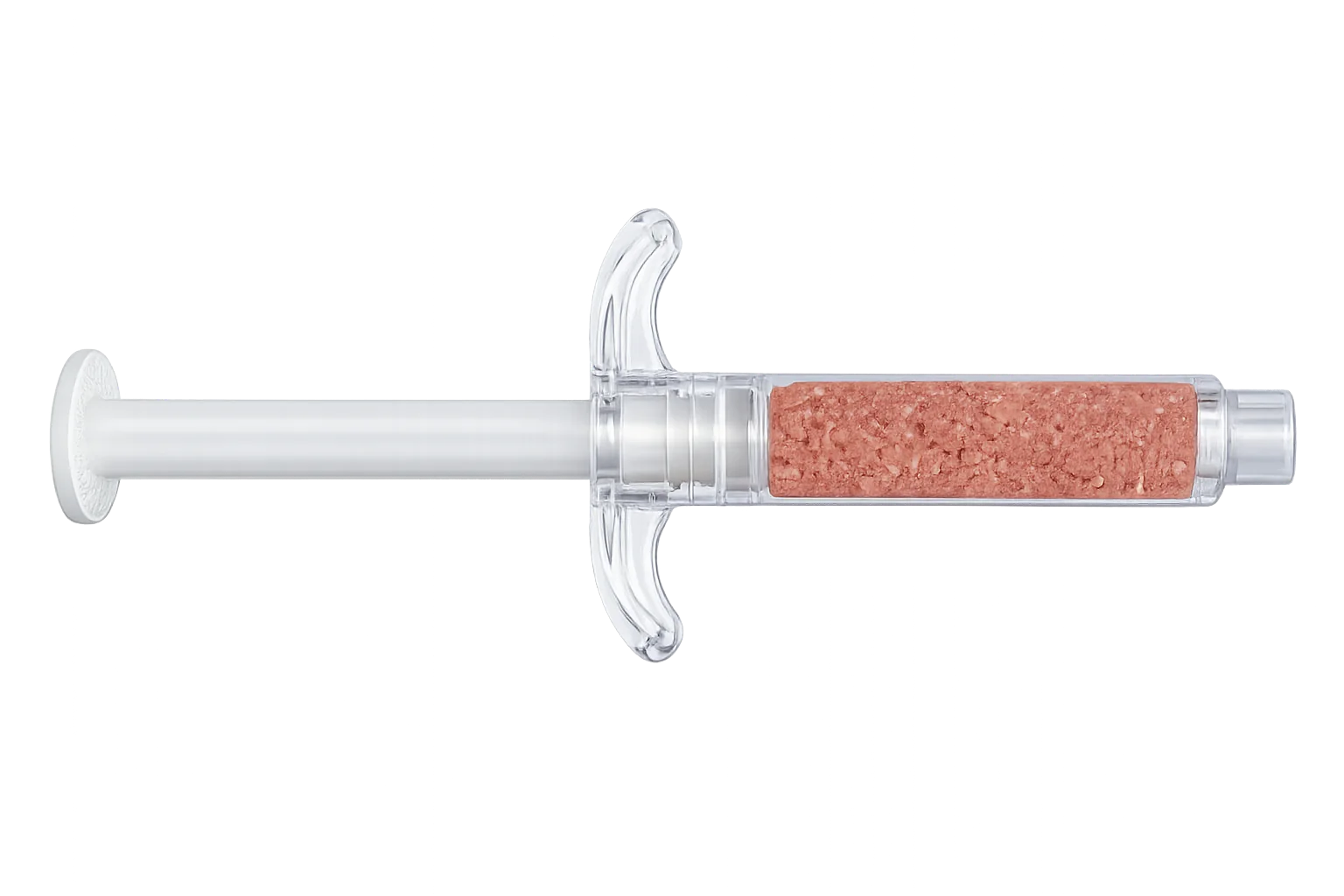
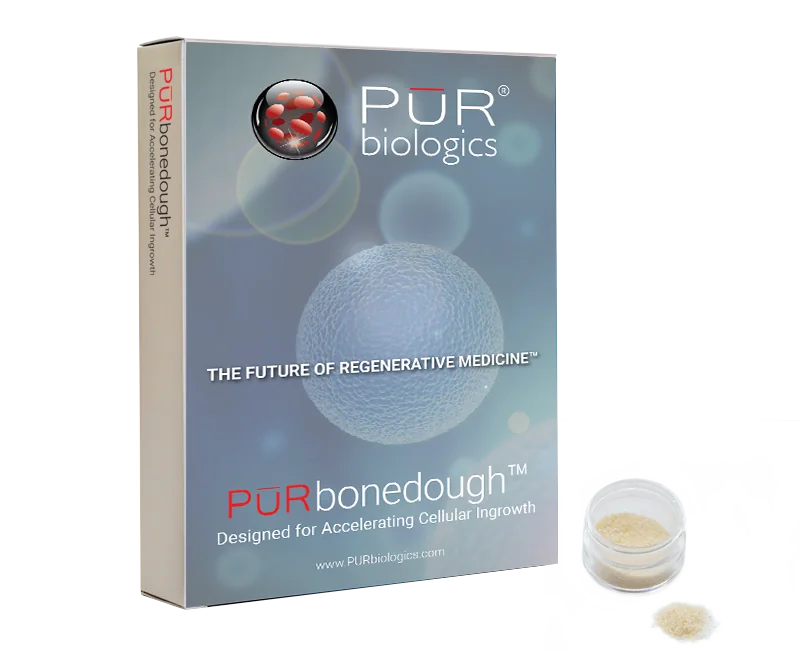
A unique, carrier-free 100% cortical bone matrix, supported by lot-specific osteoinductivity verification.

Elevating today’s standards, advancing tomorrow’s biologics.
PUR is advancing the future of orthopedic and spinal biologics through an innovative product portfolio and a forward-looking pipeline of technologies designed to advance bone growth, cartilage regeneration, and osteoarthritis therapies. Grounded in science, driven by innovation, and centered on patient needs, we are expanding the possibilities of regenerative medicine to shape the next generation of biologic solutions.
- Portfolio
Advanced biologic solutions designed to meet evolving clinical needs and advance patient care.
- Technology
Innovative platforms advancing the future of bone growth, cartilage regeneration, and osteoarthritis therapies.
- Partners
Building trusted partnerships with surgeons, healthcare providers, distributors, and industry leaders to bring better solutions to patients.
- Shareholders
Creating long-term value through innovation, strategic growth, and a commitment to advancing the future of biologics.
Built on science. Driven by patient need.
Your patient. Your choice.
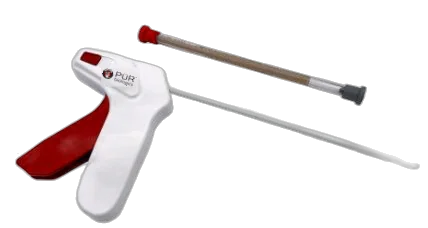
PURactiveOrb offers a minimally invasive surgery (MIS) delivery option featuring a trigger-fed instrument and cannula designed to deliver activeOrb through a small access corridor, providing surgeons with greater flexibility in addressing individual patient needs.
Advancing the future of orthopedic & spinal biologics.
PUR Biologics is a commercial-stage orthobiologics company based in Southern California, advancing the future of regenerative medicine through innovative bone graft technologies and biologic solutions for spine and orthopedic surgery.
With a team bringing more than 20 years of experience navigating the complexities of healthcare commercialization and building strategic commercial relationships, PUR combines deep industry expertise with proprietary technologies, scientific innovation, and an unwavering commitment to quality.
Our focus is on advancing the next generation of biologic solutions: expanding what’s possible in bone healing, addressing evolving clinical needs, and keeping patients at the center of innovation.
PUR Biologics partners with surgeons, hospitals, surgery centers, and distribution partners across the United States to advance access to innovative orthopedic and spinal biologic solutions.

Shaping the future.
Connect with PUR
Talk to the people behind the portfolio.
From product literature and current instructions for use to ordering, distribution opportunities, and product questions, our team is here to help. Connect directly with PUR to get the information and support you need.
The complete portfolio.
A complete portfolio of regenerative solutions designed to support surgeons in meeting the evolving needs of patients undergoing spine and orthopedic surgery.
Partner with PUR.
Interested in our biologics, or in carrying the portfolio? Our team can walk you through product information, ordering and distribution opportunities.
PURactiveOrb™
Bioactive glass in orbital form. Engineered orbs of two sizes, about 80% glass by weight, in a resorbable phospholipid carrier: moldable, non-hardening, resists irrigation, and ready through a 9 mm cannula.
Engineered down to the orb.
A material with history. A form without compromise.
Bioactive glass is among the most studied synthetic graft materials in orthopedics. Conventional putties use it as crushed, irregular particles. PURactiveOrb uses orbs: two engineered diameters, 90–180 µm and 355–500 µm, blended in a fixed ratio. The smaller orbs fill the spaces between the larger ones, so the putty packs more glass into the defect and presents a consistent, high surface area to surrounding bone, with interconnected spaces between the orbs for cells and vessels to move into.
That surface is where the material does its work. Bioactive glass forms a calcium phosphate layer at its surface after implantation, and in the orbital form every orb presents that surface for cellular attachment. The result is a putty that is about 80% bioactive glass by weight, roughly 1.5 grams of glass in every cc, bound by a natural phospholipid carrier. After placement the carrier is resorbed and the glass remains in direct contact with host bone.
In a preclinical rabbit defect model, new bone formed directly on the orb surfaces and in the spaces between them, with bone present throughout the implant area at six weeks.1
Supplied in an open-bore syringe sealed within two foil pouches, in 2.5, 5 and 10 cc volumes. No hydration step.
- MoldableShape it in your fingers, contour it to the defect, place it.
- Non-hardeningStays workable and does not set in situ. Not intended to provide structural support.
- Resists irrigationStays where you put it under irrigation, as described in the instructions for use.
- Ready when you areOpen-bore syringe, double foil pouch, single patient use. Open it and go.
1 Preclinical animal study, data on file. Results in animal models do not necessarily predict clinical performance in humans.
Your graft. Your approach.
A trigger-fed instrument and cannula place PURactiveOrb through a minimally invasive corridor in controlled increments.
Indications & safety.
Intended use
PURactiveOrb Putty is indicated for bony voids or gaps that are not intrinsic to the stability of the bony structure. It is indicated as a bone void filler in the extremities and pelvis, and as a bone graft extender in the posterolateral spine.
For posterolateral fusion, PURactiveOrb Putty must be mixed with autograft in a 1:1 ratio.
This summary does not replace the complete instructions for use, including contraindications, warnings, precautions and directions.
Handling
Do not add fluid directly to the putty, including blood or saline. This may negatively affect handling and cohesiveness. Refer to the current IFU for preparation and use.
Structural support and single use
The product does not possess sufficient mechanical strength to solely support defect reduction. Appropriate stabilization is required. The product is for single-patient, single use only.
PURbonedough™
100% human cortical bone in a dough that holds together, packs where you put it and stays put under irrigation. Nothing in the jar but bone.
Bone, and only bone.
Cortical fibers that interlock
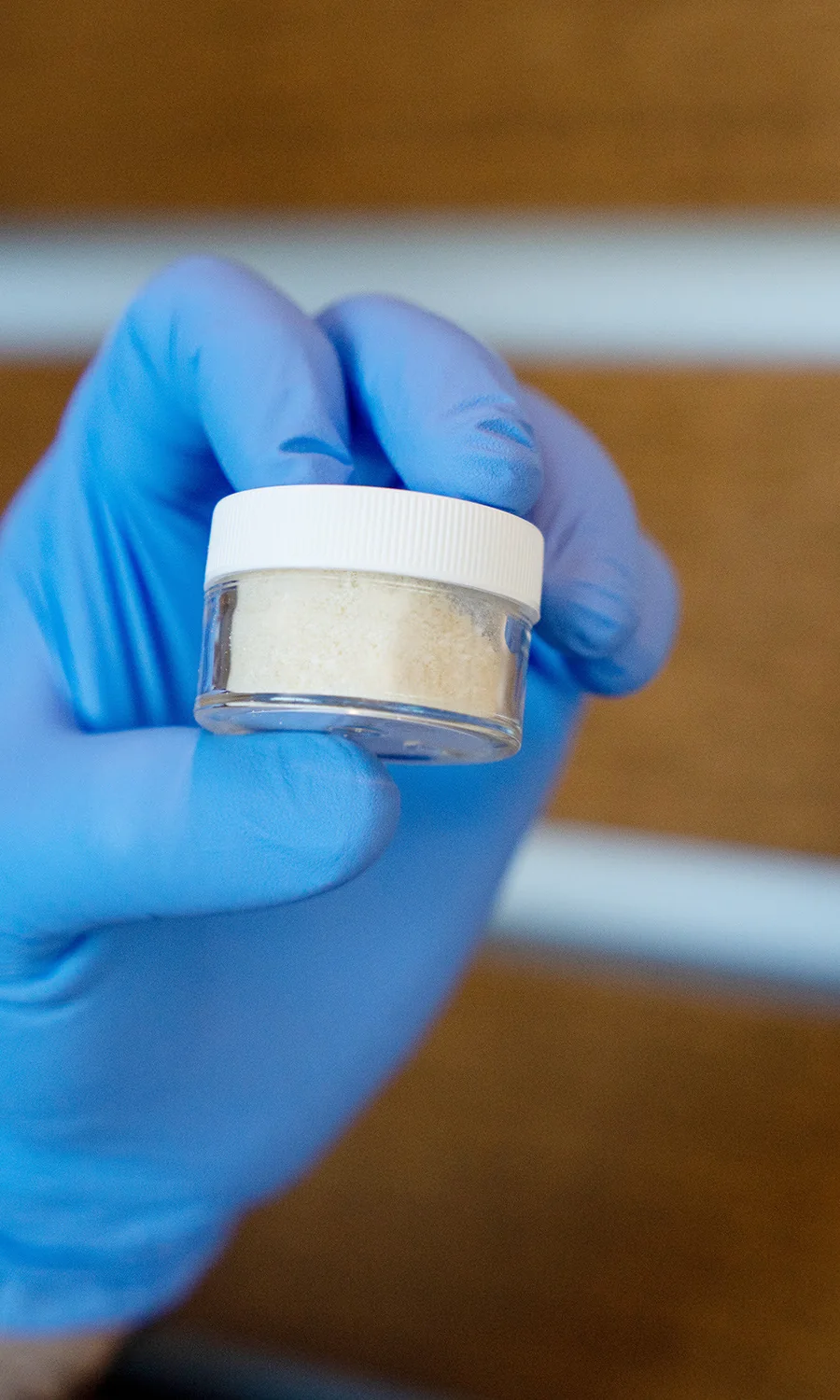
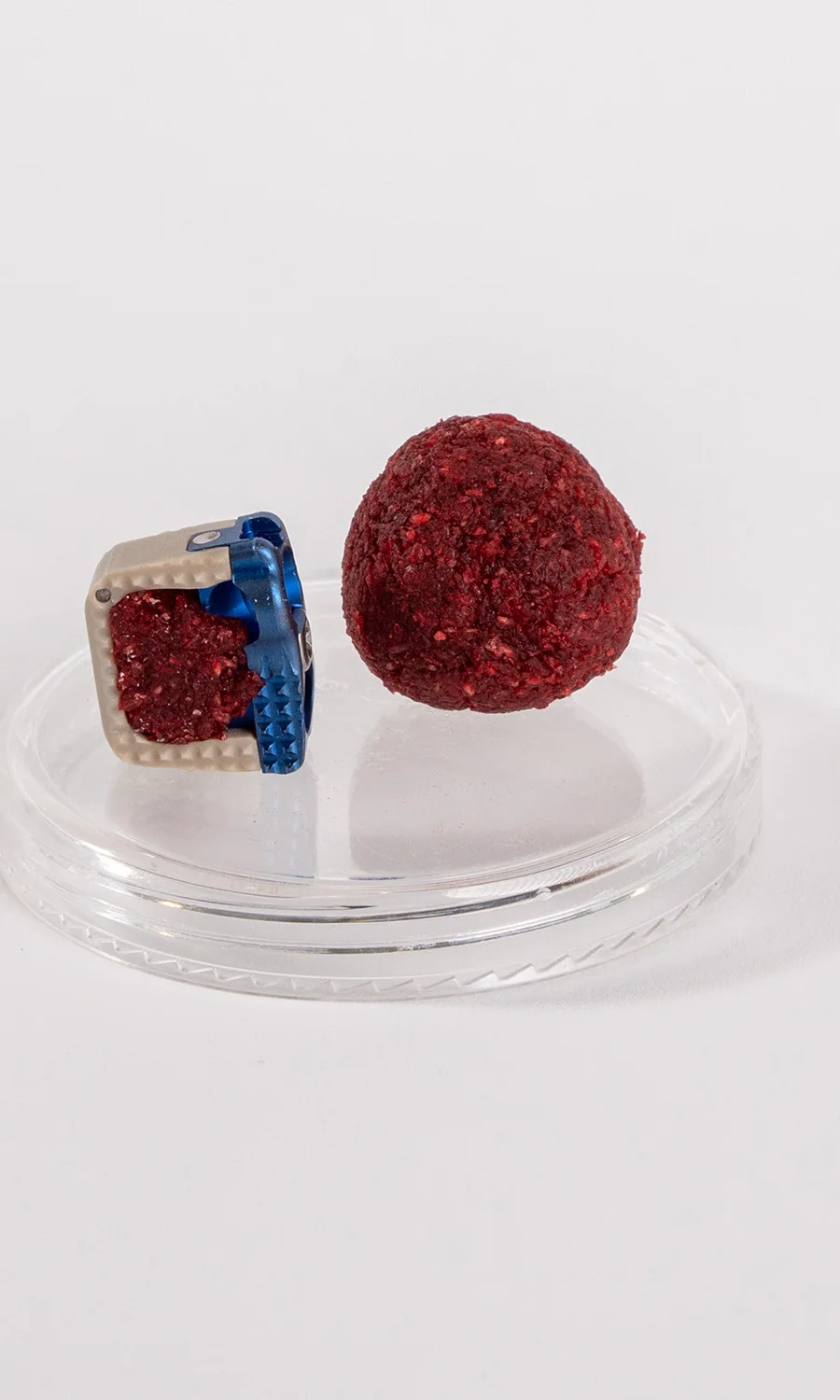
PURbonedough is made from 100% human cortical bone, processed into short fibers. There is no extrinsic carrier: no collagen, no gelatin, no synthetic binder. When the fibers are hydrated they interlock into a cohesive dough, so the graft handles like a putty while every gram of it is bone.
Supplied dry in a jar, stored at room temperature, with a five-year shelf life from the date of packaging.
- 100% cortical boneNo carrier of any kind. What you place is bone matrix and nothing else.
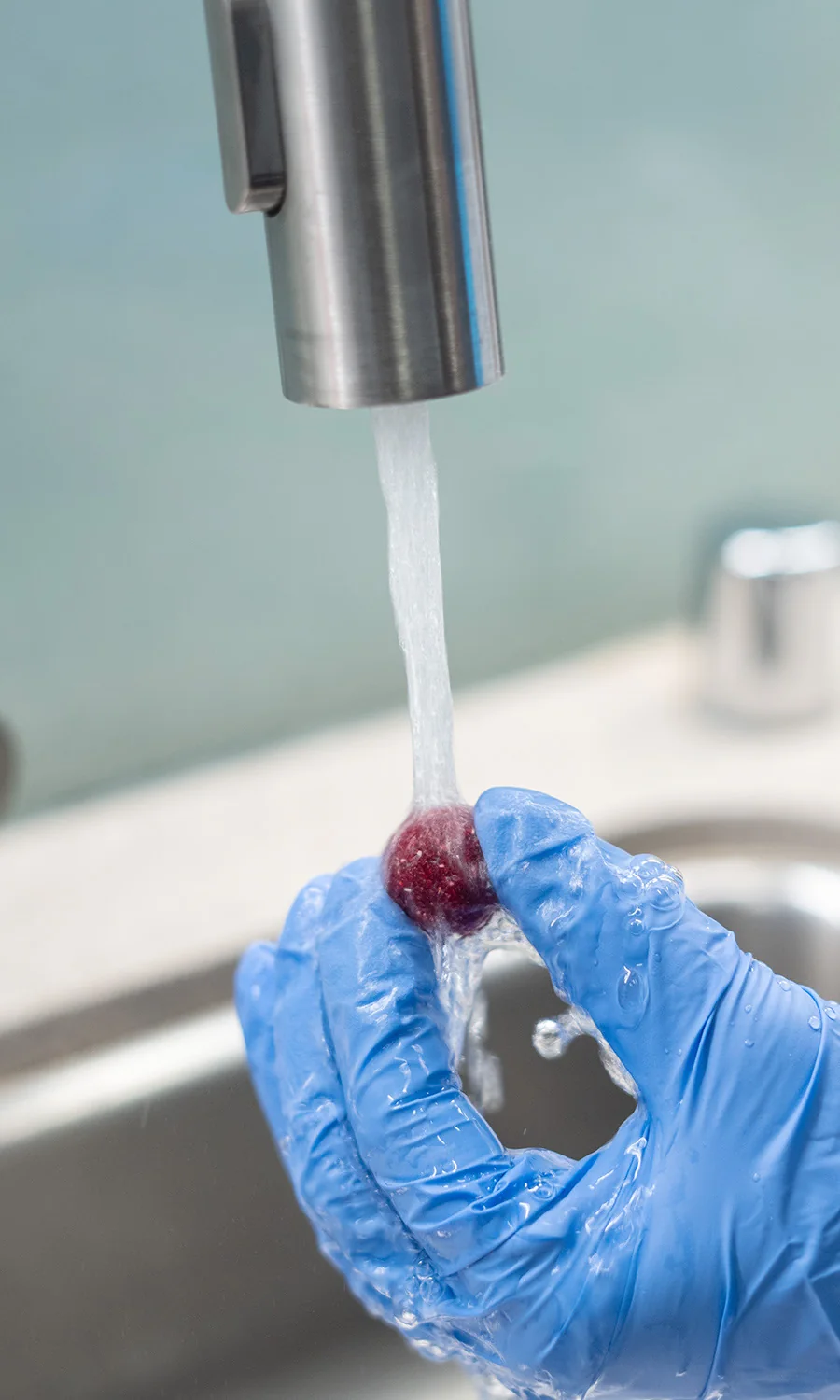
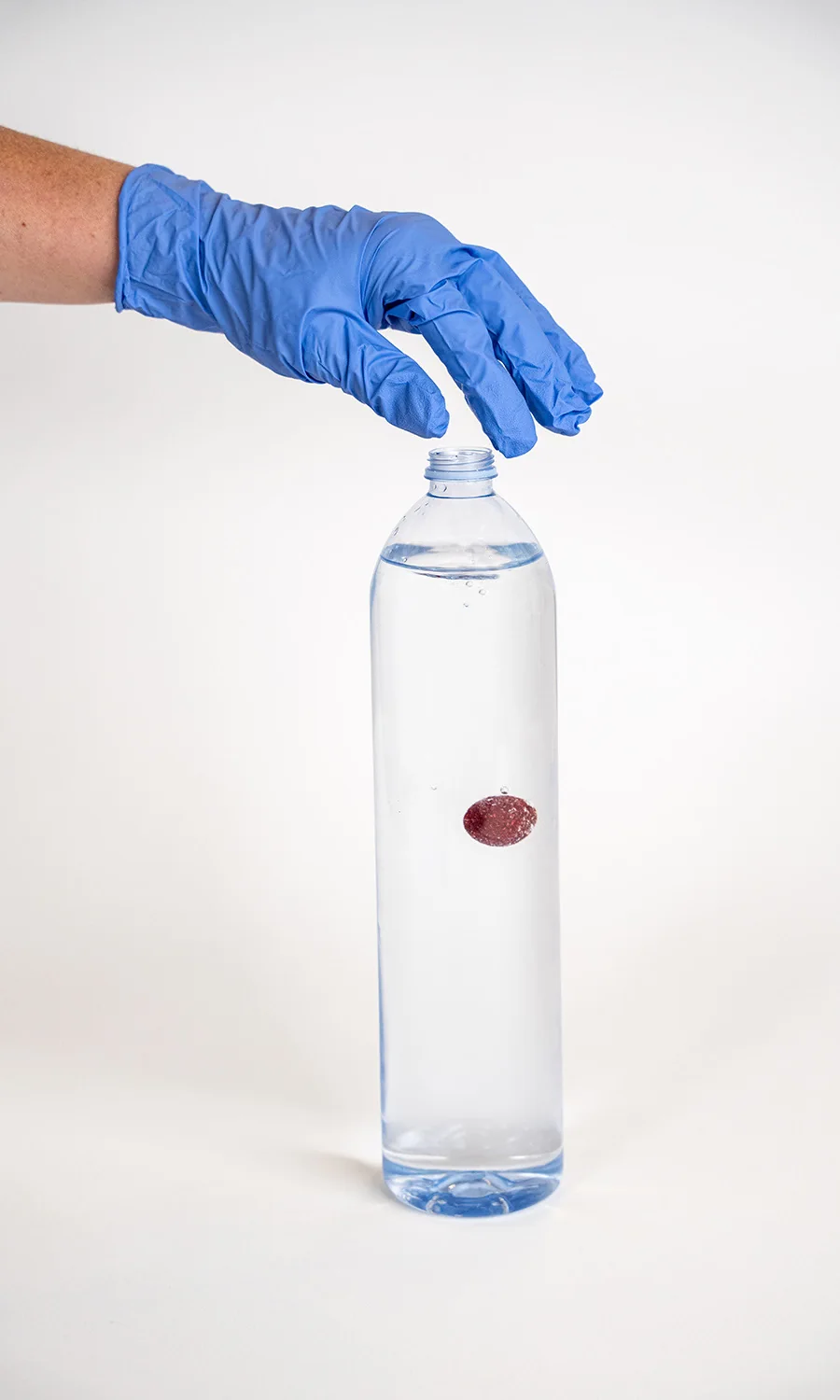
- Dough handlingPacks into the defect, holds its shape and stays put under irrigation.
- Room temperatureNo cold chain. Shelf life of five years from packaging.
- 1 to 10 ccFour jar sizes for everything from a small void to a multilevel posterolateral bed.
Hydrate it your way.
PURbonedough is hydrated in the field with the fluid the surgeon chooses: saline, whole blood, bone marrow aspirate or platelet-rich plasma, at the physician’s discretion. The fibers take up the fluid and bind into a dough that can be shaped, packed and held in place.
Osteoinductive potential, verified lot by lot.
Demineralized bone is only as good as the lot in your hand. Every lot of PURbonedough is tested for osteoinductive potential by an independent laboratory after sterilization and before release. Not sampled. Not inferred from a sister lot. Tested.
Indications & safety.
Intended use
PURbonedough is a human tissue allograft intended for homologous use in the repair, replacement or reconstruction of surgically created or traumatic skeletal defects.
This summary does not replace the complete instructions for use, including contraindications, warnings, precautions and directions. Human tissue is regulated under 21 CFR Part 1271.
Handling and hydration
Hydrate per the instructions for use with the fluid selected by the physician. Do not re-sterilize. Single patient, single use.
Storage
Store at ambient temperature, 15–30 °C (59–86 °F). Do not use after the expiration date on the label.
Bone was the first frontier. It won’t be the last.
PUR holds a cleared next-generation bone graft platform, an issued patent estate in extracellular matrix and cell activation, and a matrix technology with large-animal cartilage regeneration in its lineage. One biology, applied in sequence: bone today, cartilage and osteoarthritis next.
Four programs. One direction.
Stages reflect the furthest point reached by each program. Preclinical results do not predict clinical outcomes; programs beyond the commercial portfolio are not available for sale.
A graft designed as an incubator.
Most synthetic grafts are a material to fill a space. This platform is engineered as an environment. Each porous hydroxyapatite/tricalcium phosphate sphere is a micro-architecture for cells to migrate into, attach to and signal across, and the mesh carrier holds that architecture exactly where the fusion needs it.
The platform is 510(k)-cleared for posterolateral spine graft extension and has been evaluated head-to-head against leading commercial grafts in a large-animal defect model.1 Manufacturing transfer and shelf-life studies are the remaining steps to commercial release.
1 Preclinical data. Animal results do not necessarily predict clinical performance. This platform is distinct from PURactiveOrb Putty, our bioactive glass product.
Manufacturing the scaffold every tissue is built on.
Extracellular matrix is the structure living tissue is built on. It tells cells where to anchor, when to divide and what to become. PUR’s issued patent covers a way to manufacture it at scale: fibroblasts derived from induced pluripotent stem cells, grown in bioreactors, producing a nano-structured, collagen-rich matrix along with the growth factors and proteins that come with it.
The first generation of this matrix produced integrated hyaline cartilage, new vascular supply and a marked anti-inflammatory response in large-animal models.2 PUR has since divested that generation and patented a second: the same biology, re-engineered in the manufacturing process and the matrix itself with the aim of improving on those results. The first targets are cartilage repair and osteoarthritis, where the current options end at pain relief and joint replacement.
- Issued patentMethod and formulation of ECM for cartilage regeneration and osteoarthritis
- Scalable by designiPSC-derived cell lines in bioreactors, not donor-limited tissue
- Proven lineageFirst-generation matrix regenerated integrated hyaline cartilage in large-animal models2
- Second generationPatented improvements to the process and the matrix, designed to build on the first-generation results
2 Preclinical data from a first-generation matrix technology no longer owned by PUR. The current, second-generation matrix has not yet been evaluated in those models; its design objectives are not established results. Not available for sale; not cleared or approved for any indication.
Instructing the body’s own cells to rebuild.
Bone marrow carries the immune cells that orchestrate healing. PUR holds issued patents on both a device and a method for activating them: a defined blend of molecules that primes bone-marrow-derived immune cells precisely and efficiently, with bone regeneration as the first application.
The mechanism is not specific to bone. A platform that can reliably activate a patient’s own immune cells has a reach that extends well beyond orthopedics.
Three issued patents. A foundation that compounds.
PUR’s patent estate spans extracellular matrix manufacturing and immune-cell activation, with ownership of the sphere platform’s 510(k)s and exclusive licenses on its core technologies. Each program draws on the others: the matrix feeds the cartilage work, the activation chemistry feeds the bone work, and the commercial portfolio funds all of it.
From bone, to cartilage, to the cell.
A technology company, publicly traded.
PUR Biologics is the operating company of HippoFi, Inc. (OTC: ORHB). Everything on this site, the portfolio, the clearances, the patents and the pipeline, is what the ticker owns.
Revenue today. A platform for what comes next.
Twelve products shipping across allograft, synthetics and MSC recovery, sold through a national network of distributors and into the VA and military health systems.
A 510(k)-cleared sphere graft platform for posterolateral spine, evaluated head-to-head against leading commercial grafts in a large-animal model, now in manufacturing transfer.
Device and method patents for immune-cell activation, and a method-and-formulation patent for engineered extracellular matrix in cartilage regeneration and osteoarthritis.
A second-generation ECM program whose lineage regenerated integrated hyaline cartilage in large-animal models, aimed at conditions where today's options end at pain relief and joint replacement.
A team with 15 to 20+ years each in spinal biologics, orthopedic devices and public-company leadership, and a scientific lead with a record of taking regenerative products from the bench to market.
What we have announced.
Press releases are published through the newswire and are reproduced on the sites linked above. For the complete record, see the OTC Markets news feed.
Where ORHB trades, and what it holds.
PUR Biologics, Inc. is a wholly owned subsidiary of HippoFi, Inc., a Nevada corporation quoted on OTC Markets under the symbol ORHB.
- Ticker
- ORHB
- Market
- OTC Markets
- Issuer
- HippoFi, Inc.
- Operating company
- PUR Biologics, Inc.
- Headquarters
- Irvine, California
- Quote & chart
- otcmarkets.com/stock/ORHB ↗
- Disclosure
- Company filings on OTC Markets ↗
- Presentations
- Investor presentation, on request
People who have done this before.
Co-founder of PUR Biologics. Built one of Globus Medical’s largest distributorships through its IPO. Earlier at Medtronic and Smith & Nephew. A nationwide network of surgeons and distributors.
Thirteen years leading PUR. Previously CEO of OC Surgical and part of the team that delivered an exit from Histogen for its investors. Two decades beside spine surgeons.
A pioneer of tissue engineering: founder of Advanced Tissue Sciences and Histogen, and one of the few scientists to have taken engineered-tissue products through FDA and to market.
Led the 2001 return of Smith & Wesson to American ownership and served as its President and Chief Operating Officer. He brings PUR the experience of building a public company around a manufacturing brand.
Talk to us directly.
Investor presentations, management meetings and press-release alerts. Email us and a member of the team will respond; add “Alerts” to the subject line to be notified of every announcement.
Forward-looking statements
This page and the materials it links to may contain forward-looking statements within the meaning of applicable securities laws, including statements about product development, regulatory plans, commercial expectations and the potential of technologies in development. These statements are based on current expectations and assumptions and are subject to risks and uncertainties that could cause actual results to differ materially, including those described in the company’s public disclosures. Preclinical results do not predict clinical outcomes. Technologies described as in development are not available for sale and have not been cleared or approved for any indication. Neither PUR Biologics nor HippoFi undertakes any obligation to update forward-looking statements except as required by law. Nothing on this page is an offer to sell or a solicitation of an offer to buy any security.